
Session title
The Architecture of Inclusion
Workplace Accessibility and Job Satisfaction
Day 1
Wednesday, October 7, 2026
Time
Location
Format
Hybrid: In-person and online.
Recommended for
Categories
—
Content Topics
ceu(s) available
SHRM
Category
Breakout
Track
Advanced
Length
60 minutes
About this session
This presentation explores findings from the Work, Accommodations & Technology Survey (WATS), which gathered information from individuals with physical disabilities—specifically those with conditions affecting their movement or nervous system. The researchers looked at how different factors like job satisfaction, feeling included, and using assistive technology impact someone’s experience at work. The most significant discovery was that the physical environment is the biggest factor in whether an employee is happy with their job. The data showed an incredibly strong link between having an accessible workspace—such as accessible bathrooms and adjustable furniture—and overall job satisfaction. In fact, these physical factors were more important to employees than any other variable the study tracked. To truly support a diverse and talented workforce, employers should move beyond basic legal compliance and focus instead on optimizing the workplace by removing physical and technological barriers.
presented by
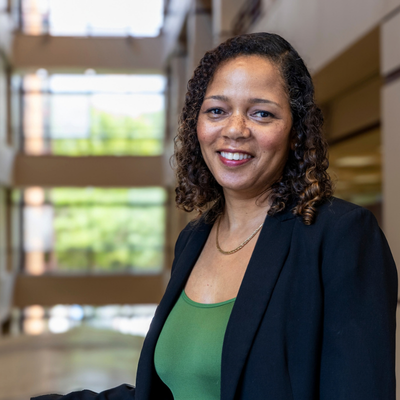
Salimah LaForce
Director of Research and Policy Initiatives, Senior Research Scientist
Center for Advanced Communications Policy – Georgia Institute of Technology
Salimah LaForce, M.S., is a Senior Research Scientist and the Director of Research and Policy Initiatives at the Georgia Institute of Technology's Center for Advanced Communications Policy. She possesses over 19 years of experience in disability studies with a specialization in policy research. She directs longitudinal research on the impact of assistive technology and accommodations on employment outcomes for people with physical disabilities. Her scholarly contributions include journal articles, book chapters, conference papers, presentations, and federal regulatory filings that have informed national accessibility discussions.