Designed for Everyone: What’s ahead at Universal Design Summit 8
Author:
Starkloff Staff
Reading time:
4 minutes
Date:
October 28, 2026
Think about the last time a door felt too heavy, a sign was too small to read, or a restaurant was so loud you couldn’t follow the conversation.
Most of us shrug and move on. For many disabled people, details like these decide whether they can get to work, see a doctor, or join community life.
Those barriers aren’t accidents. Someone designed them—which means someone can design them out.
Inclusion starts at the drawing board
That’s the idea behind Universal Design: creating buildings, products, and experiences that work for everyone from the start. Captions are a classic example. Created for Deaf and hard of hearing viewers, they now help anyone watching a video in a noisy airport or a quiet waiting room.
At Starkloff, our Universal Design program works with the architects, designers, planners, and builders who shape the places we live, learn, work, and play. Every two years, we bring them together.
Universal Design Summit 8 runs November 18–20 at Saint Louis University’s Busch Student Center and online. This year’s theme is Emerging Advancements, Trends, and Technologies in Universal Design.
Keynotes from Amazon to the space shuttle
Michael Allen Nesmith opens the Summit. During 10 years at Amazon, he directed more than 28 global product launches and founded the company’s first in-house American Sign Language interpreting agency. Today he leads Non-Breaking Space, a disability-led creative studio.
Dona Edwards, JD, MBA, has reinvented herself more than once. She started as a mechanical engineer working on space shuttle and satellite technology, then spent more than 20 years as an intellectual property attorney. Now she’s a TEDx speaker and an advocate for adaptive and universally designed fashion.
Jordana Maisel, PhD, closes the Summit. She directs the Center for Inclusive Design and Environmental Access (IDEA Center) at the University at Buffalo, where her research covers everything from public transit and sidewalks to accessible housing policy.
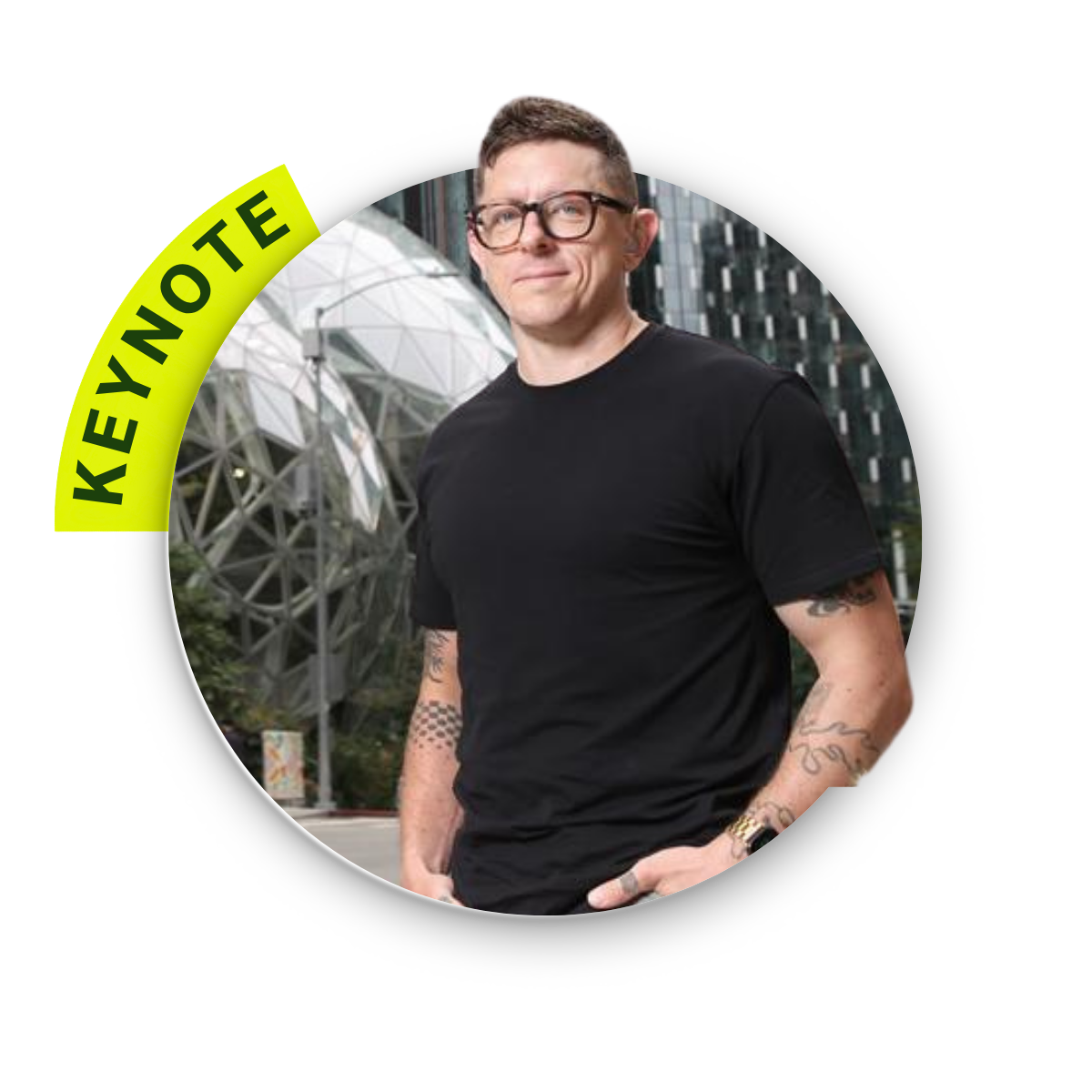
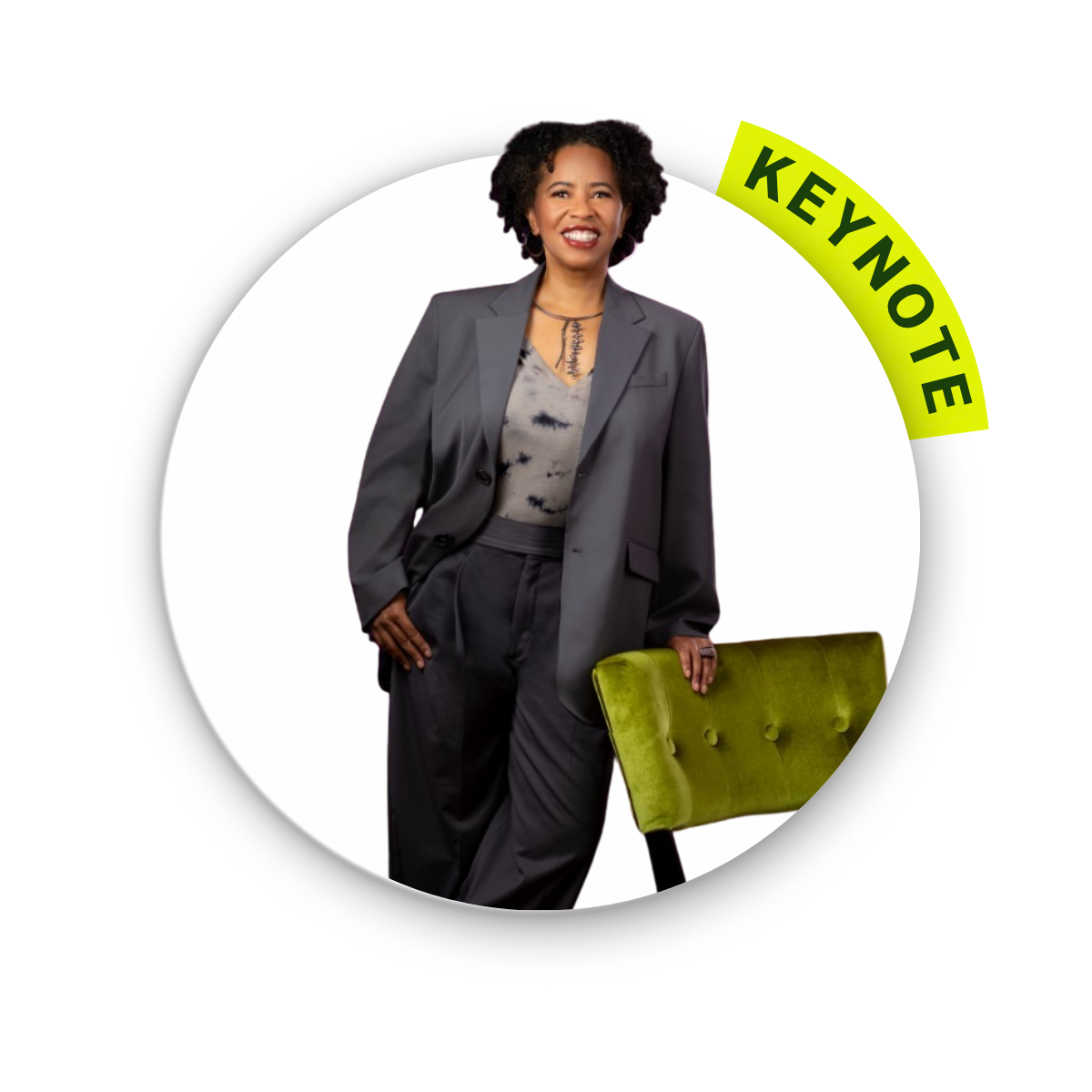
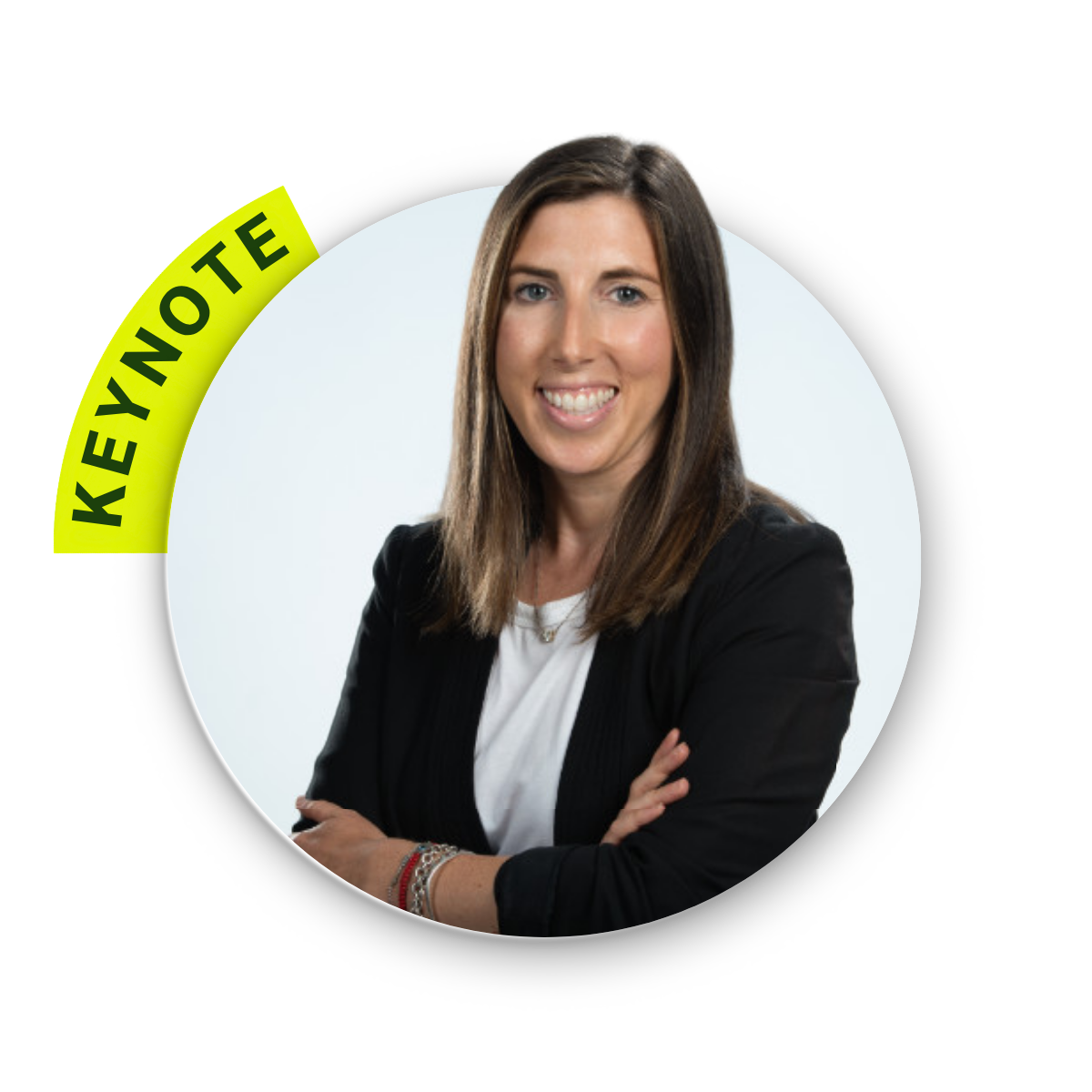
Keynote speakers: Michael Allen Nesmith, Dona Edwards, and Jordana Maisel.
What you’ll experience
- A runway show with a purpose. Students from Lindenwood University’s fashion program present looks built on Universal Design and adaptive fashion.
- Homes for every stage of life. A panel that includes St. Louis County Councilwoman Lisa Clancy makes the case for an ordinance that would tell home buyers which Universal Design features a house has.
- History you can touch. Designers from the Missouri History Museum share how exhibits like Mill Creek: Black Metropolis and Gateway to Pride use touch, sound, and clear wayfinding to welcome more visitors.
- Maps you read with your hands. Designers from CannonDesign show how tactile maps help people with vision loss find their way through complex buildings, including the Summit itself.
Other sessions take on AI ethics, spaces for neurodivergent people, and more inclusive schools, pools, parks, and furniture.
Explore everything on tap in the UDS8 session directory.
Built in from the start
Max and Colleen Starkloff spent decades fighting for physical access in St. Louis and beyond. Universal Design carries that work forward. Instead of asking disabled people to work around barriers, it removes them before anyone runs into them.
When you support Starkloff, you help write inclusion into the blueprint: in the workplaces where disabled people build careers, and in the homes, schools, and public spaces we all share.
Join us, or pass it on
If you design, build, or manage the places people use every day, we’d love to see you there.
Can’t make it to St. Louis? Keynotes, plenaries, and select sessions stream online.
On Friday afternoon, in-person guests can add a guided tour of the Missouri Botanical Garden, the Museum at the Gateway Arch, or Soldiers Memorial Military Museum.
You can help even if you’ve never drawn a floor plan. Share this with the architect in your family, the builder down the street, or the occupational therapist in your neighborhood, and help us reach the people who shape our communities.