27 Years of Inclusion Under Olmstead at Risk
Author:
Starkloff Staff
Reading time:
6 minutes
Date:
June 22, 2026
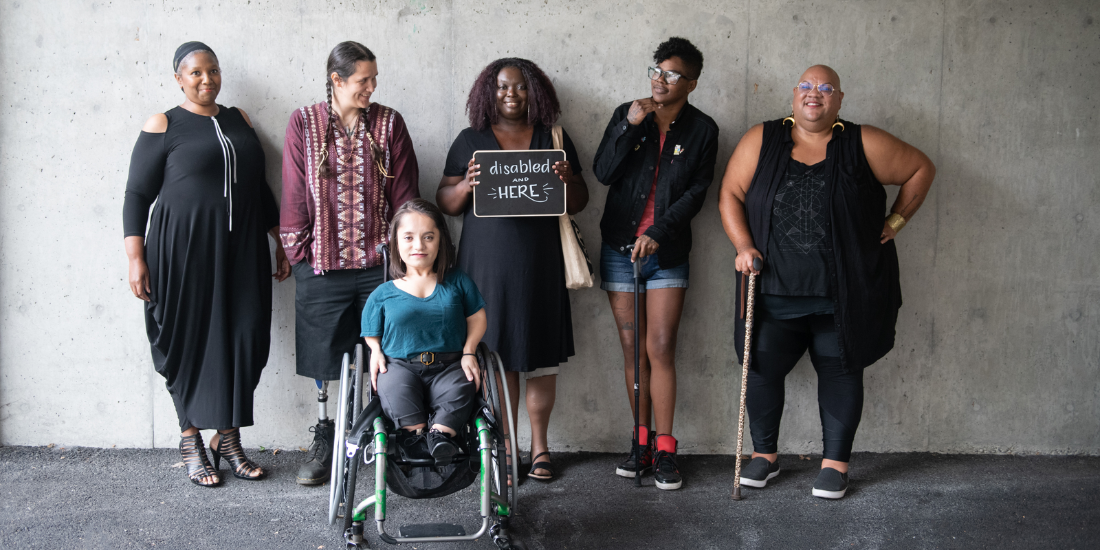
Photo credit: Disabled and Here.
This Monday, June 22, marks the 27th anniversary of Olmstead v. L.C., the Supreme Court decision that affirmed a basic right for people with disabilities:
we belong in our communities, not locked away in institutions.
The Olmstead Decision
The case began with two women, Lois Curtis and Elaine Wilson, who lived with intellectual and developmental disabilities and were receiving intensive treatment in a Georgia psychiatric hospital. Their doctors determined Lois and Elaine were ready to live in the community which both women also wanted.
But the state opted to keep Lois and Elaine institutionalized instead of offering community-based supports that would meet their needs.
The two women sued (Olmstead v. L.C.), and in 1999 the Supreme Court agreed with them: under the Americans with Disabilities Act, needlessly segregating people with disabilities is discrimination. States are required to serve people in the “most integrated setting appropriate” whenever that’s what the person wants and it can reasonably be provided.
This protection is often referred to as the integration mandate.
Not a New Fight
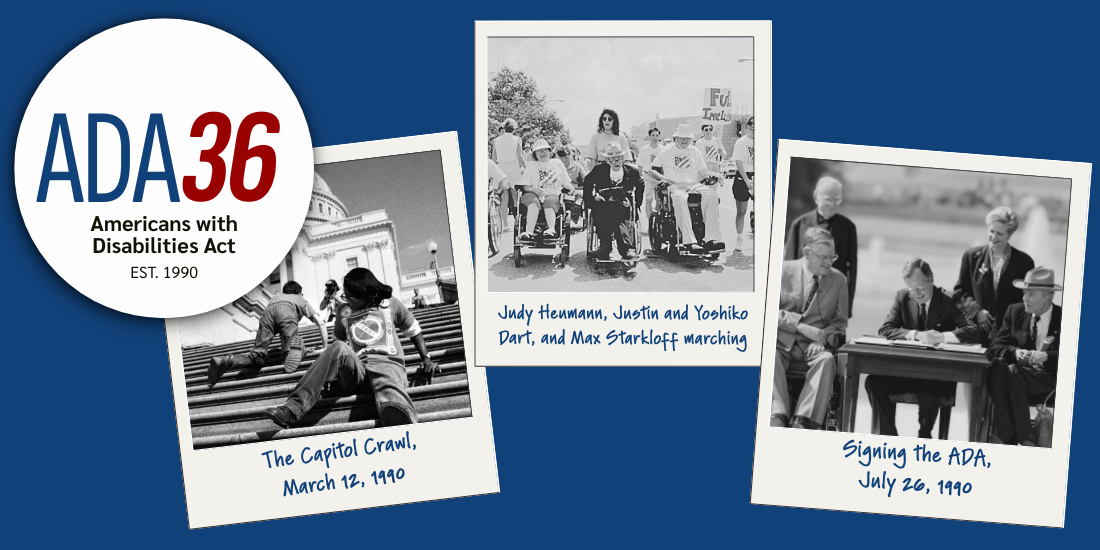
Our founder, Max Starkloff, acquired a spinal cord injury in 1959 at age 21. Because the world was built without wheelchair users in mind, he was forced to leave his family and friends and live in a nursing home. For 12 years, as his peers built careers and started families, Max fought to get his own life back.
While exiled in the nursing home, Max founded Paraquad, one of the country’s first Centers for Independent Living. He also met the love of his life, Colleen, whom he married the day after he gained his freedom. Together, Max and Colleen became leaders in the disability rights movement, working to ensure others wouldn’t be forced out of their own lives.
Community integration isn’t an abstract legal principle to us. Without it, SDI would not exist.
Our Right to Community Inclusion
In the 27 years since Olmstead, courts, Congress, and federal agencies have built on that decision’s foundation.
Regulations from the Department of Justice and the Department of Health and Human Services have consistently interpreted the ADA and Section 504 of the Rehabilitation Act to mean what they say: people cannot be forced into nursing homes, psychiatric hospitals, or other institutional settings to receive care they could just as well receive at home. (Community-based services are also less expensive.)
In 2023, 8.4 million Americans were receiving community-based services through Medicaid.
New Memo
Just days before this anniversary, a new federal memo challenges that foundation.
On June 18, the Department of Justice’s Office of Legal Counsel (OLC) issued an opinion memo concluding Olmstead never actually required integrated settings, and that Congress didn’t intend to prohibit unnecessary institutionalization when it passed the ADA and Section 504.
The American Association of People with Disabilities called the interpretation unjustified and warned it runs counter to nearly three decades of consistent court rulings and agency guidance.
The memo itself acknowledges this:
“We recognize that this view of Olmstead‘s import is out of step with the common understanding of that decision within the federal courts.”
—Opinion Memo, page 11
A Past We Cannot Repeat
We have witnessed what that means. The infamous exposé of Willowbrook State School in 1972 revealed to the public what disabled people endured locked away in institutions: deplorable, often horrific abuse and neglect. Public outcry was followed by decades of slow, arduous reform.
These hard-won rights—to stay in our communities, to participate fully alongside our nondisabled peers, to simply live—are a response to centuries of exclusion and dehumanization.
This isn’t an abstract legal debate.
Inclusion Requires Integration
Community integration touches everything: where someone lives, whether they can work, who they get to spend time with, how much say they have over their own life.
At Starkloff Disability Institute, we know full inclusion depends on people living in their own communities. You can’t build a career, hold a job, or be part of a workplace if you don’t have the freedom to live where you choose. Max Starkloff knew this, and it’s why Olmstead matters to everything we do.
We’ll be watching how this develops, and we encourage you to do the same. AAPD is closely tracking the situation and sharing updates as they become available.